What to Know About Bottle Label Printing for Everyday Products in 2026
 Tavishi
Blog article content
Bottle label printing plays an important role in how customers see and understand products. A label is often the first detail people notice on a bottle. It shows the brand, shares product information, and includes details needed for compliance, all within a small space, often created using label design software.
Market projections show the global label printing market reaching around USD 89.51 billion by 2032, reflecting stronger focus on packaging quality and clarity.
At a practical level, bottle labels must stay readable and remain attached despite moisture, temperature changes, and handling.
With this in mind, the sections ahead explore how bottle label printing differs by product type, the materials and finishes commonly used, and the common challenges faced when printing labels at scale.
Custom Bottle Label Printing for Brand Differentiation
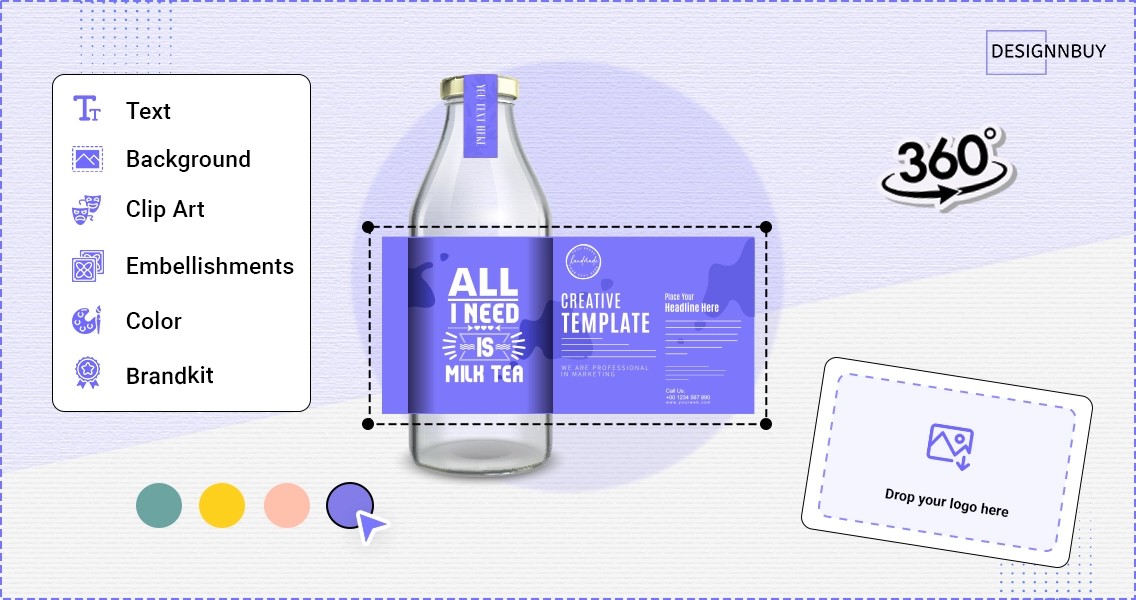 Custom bottle label printing gives brands control over how their products are presented. As a result, businesses can create bottle labels that fit the bottle shape and surface, helping avoid alignment issues and maintain consistency across products.
Key benefits of custom bottle label printing:
Better fit for glass and plastic bottles
Consistent branding across variants
Clear placement of product details
Clean, balanced label design
At the same time, custom bottle labels make it easier to update information such as barcodes or batch details without changing the full design, helping brands meet label printing demands as product lines grow.
Overall, personalized labels help brands print labels that look intentional, remain readable, and support brand recognition.
As product ranges grow, managing custom bottle labels across sizes and variations becomes more structured. Many teams rely on a Web to Print Software to keep designs, data, and print-ready files consistent.
The next step is understanding how bottle label printing needs differ across product types.
Water Bottle Label Printing: Durability for Refrigeration and Outdoor Use
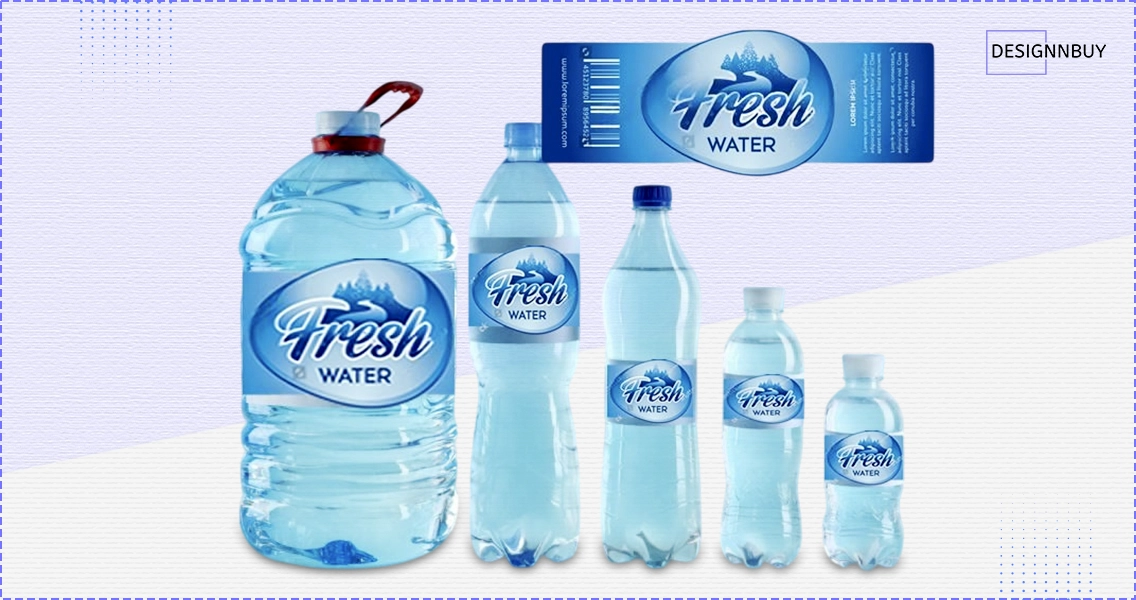
Water bottle label printing focuses on durability. These bottle labels are exposed to moisture, refrigeration, and frequent handling, so the material and adhesive must hold up.
For this reason, water bottle labels are typically printed using moisture-resistant label printing materials rather than basic paper label stickers, ensuring the label stays attached and readable from filling to consumption.
Key requirements for water bottle label printing:
Resistance to moisture and condensation
Strong adhesion on plastic bottles
Clear printing labels that do not fade
Clean appearance even after refrigeration
From a workflow perspective, many brands rely on label printing software or an online label design tool to manage layout accuracy and text placement.
In short, effective water bottle label printing depends on the right materials, reliable label printing processes, and tools that support consistent results at scale for custom water bottles.
Water bottle labels often sit within a larger packaging setup that includes cartons, sleeves, or multipacks. In such cases, a web-to-pack solution helps align label printing with overall packaging needs.
Beer Bottle Label Printing: Adhesives, Finishes, and Compliance Needs
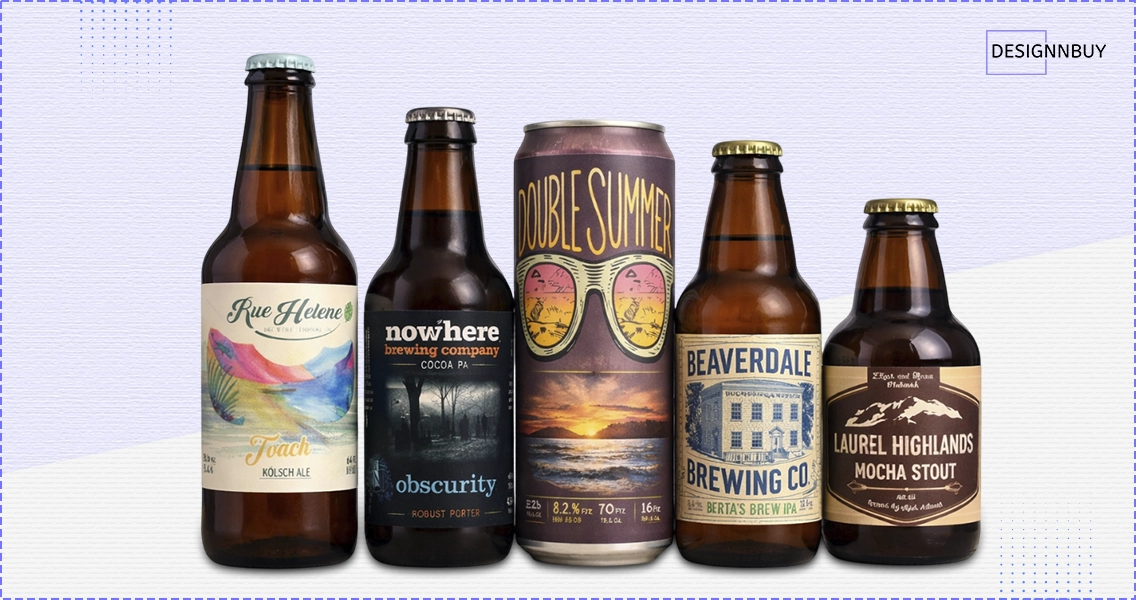
Beer bottle label printing must handle cold storage, condensation, and frequent handling. If the adhesive or material is not suited for these conditions, bottle labels can peel or wrinkle.
Since beer bottles are often chilled, label stickers need to bond securely to glass in damp environments to keep printing labels intact from production to point of sale.
What matters most in beer bottle label printing:
Strong adhesives for cold and wet surfaces
Durable label printing materials that resist moisture
Clear print labels for branding and required details
Finishes that protect labels from scuffing and wear
Compliance is another critical factor. Beer bottle labels must display alcohol content, volume, and legal text clearly.
Printing labels with poor contrast or cramped spacing can make this information hard to read and increase the risk of errors.
In brief, beer bottle label printing requires the right adhesive, protective finishes, and careful handling of compliance information to keep bottle labels reliable from storage to sale.
Juice Bottle Label Printing: Moisture Resistance and Shelf Appeal
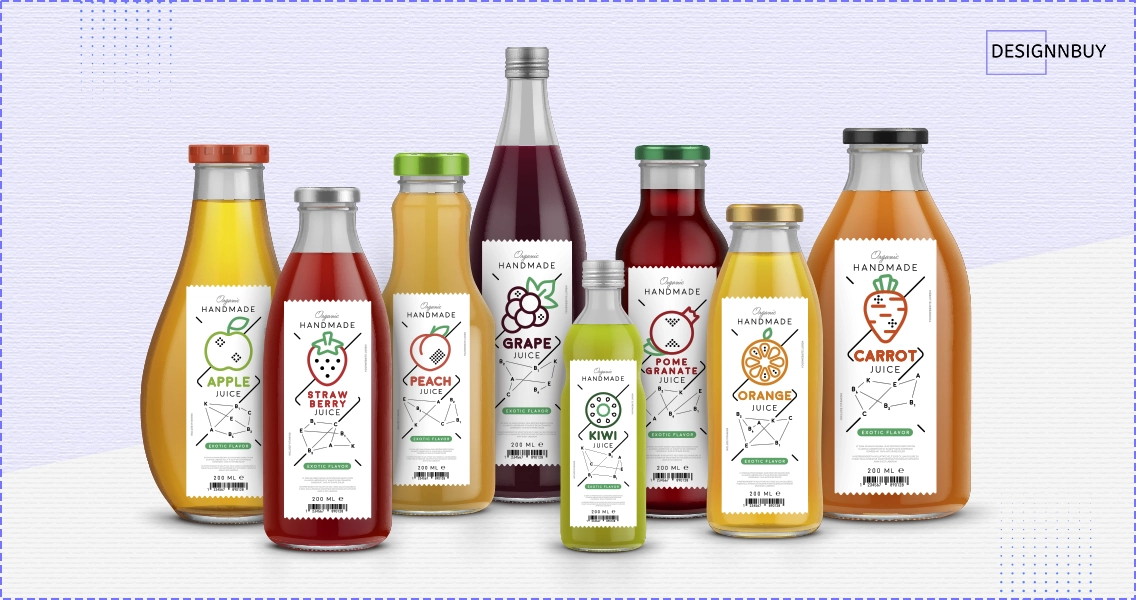
Juice bottle label printing needs to balance appearance with practicality. Here, material choice is key. Label stickers used for juice bottles must handle damp surfaces while keeping colors and text clear.
At the same time, shelf appeal matters. Juice products rely heavily on visual cues like color, fruit imagery, and clean typography to stand out, supported by strong label design ideas.
Key factors in juice bottle label printing:
Moisture-resistant label printing materials
Strong adhesion on plastic bottles
Bright, consistent print labels for shelf visibility
Clear space for ingredients and nutritional details
Juice brands often manage multiple flavors and sizes, which makes consistency important. Custom label printing allows small updates across variants while keeping the overall look uniform.
Printable labels also need to stay clear after refrigeration, so both durability and shelf appeal remain intact.
Juice products depend on visual clarity and layout balance. Using Packaging Design Software allows brands to prepare bottle labels alongside other packaging elements while maintaining a consistent look.
Cosmetic Bottle Label Printing: Precision, Finish, and Regulatory Accuracy
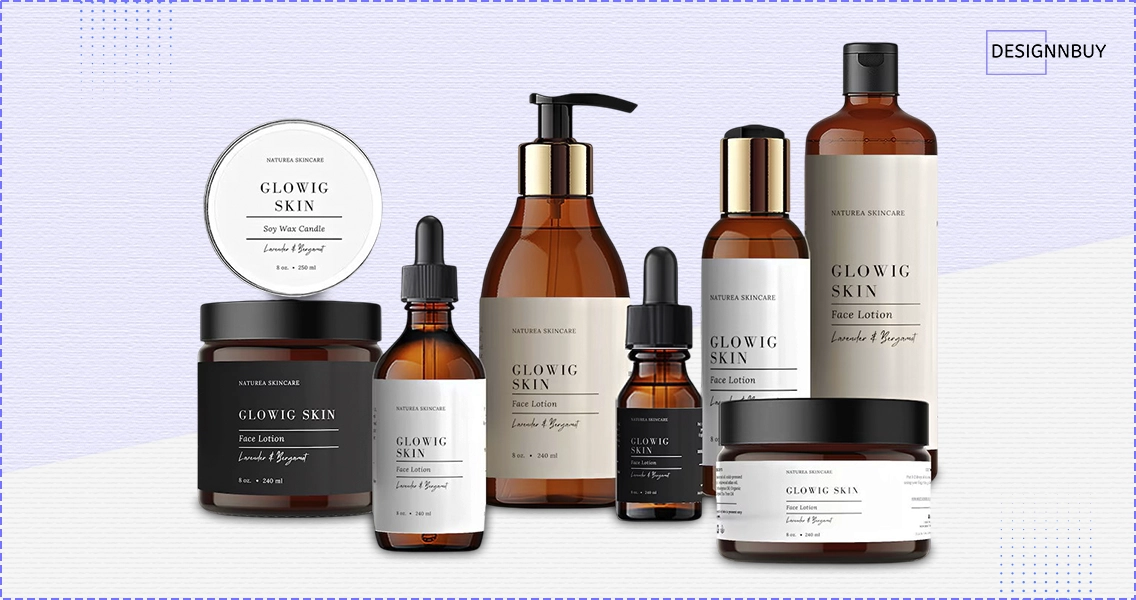
Cosmetic bottle label printing demands a higher level of precision, especially when managing cosmetic packaging labels across product ranges. These bottle labels are often small, applied to narrow or curved surfaces, and packed with required information. Even minor alignment issues can affect readability and overall appearance.
Finish plays a big role in this category. Cosmetic products rely on visual consistency to signal quality. Label stickers must look clean, smooth, and intentional, without bubbles or uneven edges.
What matters in cosmetic bottle label printing:
Accurate sizing for small or curved bottles
Clear printing labels for fine text
Finishes that resist oils, moisture, and handling
Space for ingredient lists and usage details
Toward the final stage of cosmetic bottle label printing, accuracy and consistency come together. Labels must clearly display ingredients, warnings, and manufacturer details, as poor print quality or low contrast can lead to compliance issues.
Visual consistency across print runs helps products look uniform on the shelf. Since many cosmetic bottles are narrow or curved, careful control during printing and application is needed to keep labels aligned and clean.
Wine Bottle Label Printing: Premium Materials and Print Quality Expectations
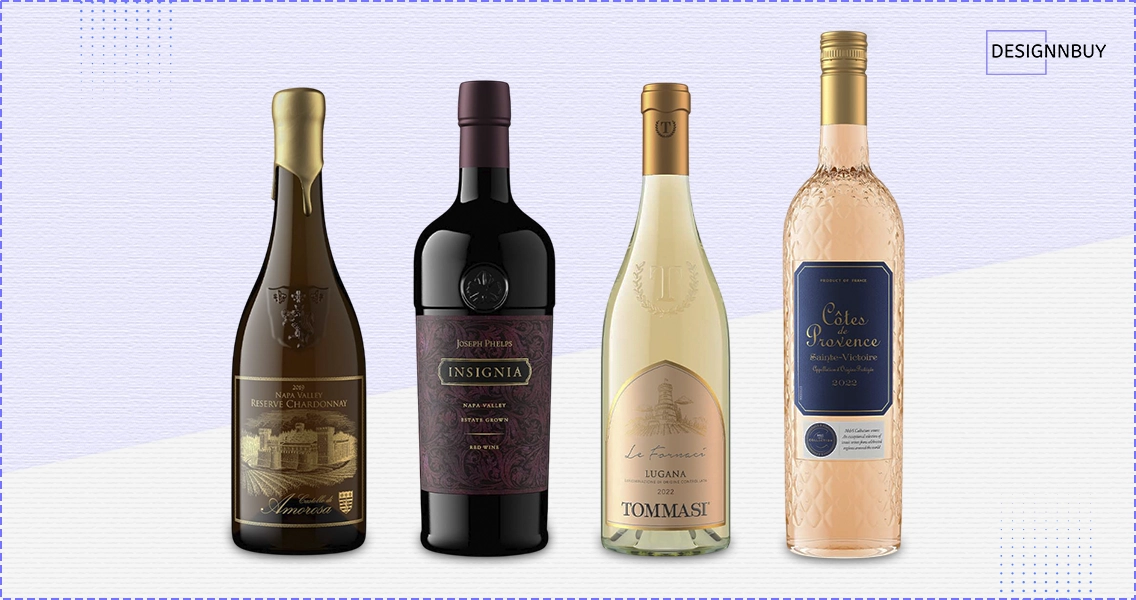
Wine bottle label printing places strong emphasis on presentation, reflecting wider wine label trends in premium packaging. In many cases, the label shapes how a product is perceived before it is ever tasted. For this reason, bottle labels in this category focus on material quality and print accuracy.
Paper-based label printing materials are commonly used for wine bottles, especially for products that aim for a classic or premium look. Textured papers, matte finishes, and subtle detailing help create a refined appearance without overpowering the design.
Key considerations for wine bottle label printing:
High-quality label printing materials
Clean print labels with sharp text and graphics
Finishes that complement the bottle and brand style
Proper sizing to fit standard wine bottle shapes
Wine bottle labels also carry required details such as origin, volume, and alcohol content. These details must remain clear and readable while fitting into a well-balanced design.
In simple terms, wine bottle label printing depends on material choice and print quality working together to support both presentation and compliance.
Common Challenges in Bottle Label Printing and How to Avoid Them
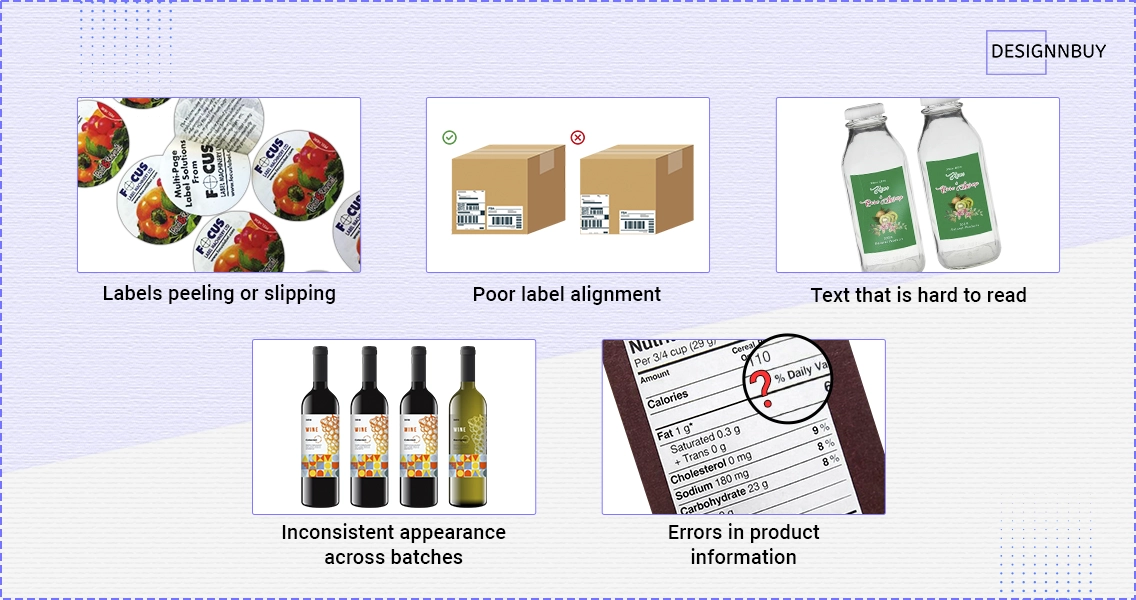
Bottle label printing often runs into issues when materials, sizing, or layout details are overlooked. These problems may seem small but can affect how bottle labels look and perform once applied.
Common challenges and how to avoid them:
Labels peeling or slipping
This usually happens when the adhesive does not match the bottle surface or storage conditions. Choosing label printing materials suited for moisture or cold helps prevent this.Poor label alignment
Incorrect sizing or curved bottles can cause labels to appear uneven. Measuring the bottle carefully and using accurate printable labels reduces alignment issues.Text that is hard to read
Small fonts or low contrast can make important details unclear. Clear print labels and balanced spacing improve readability.Inconsistent appearance across batches
Color or layout changes between print runs can affect brand consistency. Using reliable label printing processes helps maintain uniform bottle labels.Errors in product information
Missing or incorrect details can lead to compliance issues. Reviewing content carefully before printing labels, including the use of tamper evident labels, helps avoid costly reprints.
When the basics are planned upfront, bottle label printing becomes more predictable. Labels fit better; information stays clear, and reprints are easier to avoid. The result is bottle labels that hold up well through filling, storage, and sale.
Addressing label sizing, consistency, and updates becomes easier when design and print workflows are connected through a single platform like DesignNBuy.
DesignO Features That Support Bottle Label Printing
DesignO provides tools that help businesses design, review, and prepare bottle labels for print with better accuracy and consistency.
Key features for label printing:
Template Builder
Allows businesses to create reusable bottle label templates, ensuring consistent branding and placement across flavors, sizes, or batches.File Upload & Artwork Handling
Supports print-ready artwork uploads for bottle labels, reducing dependency on reformatting and minimizing production mistakes.Preflight (Print File Checks)
Helps identify common print issues such as missing fonts, low-resolution images, or color mode mismatches before bottle labels go to production.3D Preview
Provides a visual preview of how the bottle label will appear on the bottle, helping teams spot alignment or layout issues early.Imposition & Output Preparation
Generates structured, print-ready files that align with production requirements, reducing reprints and manual intervention.
These features help reduce layout errors, improve print readiness, and maintain consistency from design to production.
Frequently Asked Questions
Looking for a Better Way to Print Bottle Labels for Your Products?
Tavishi
Content Writer at @DesignNBuy
Tavishi is a content writer at @DesignNBuy, focused on the web to print industry. She creates well researched, easy to read content that helps print businesses understand digital solutions, product customization, and modern printing workflows.
All Posts
Trusted by 2000+ Print Businesses
Ready to See It in Action?
Explore our print shop platform at your convenience. Request a demo URL to experience the storefront, design tool, pricing, and much more.